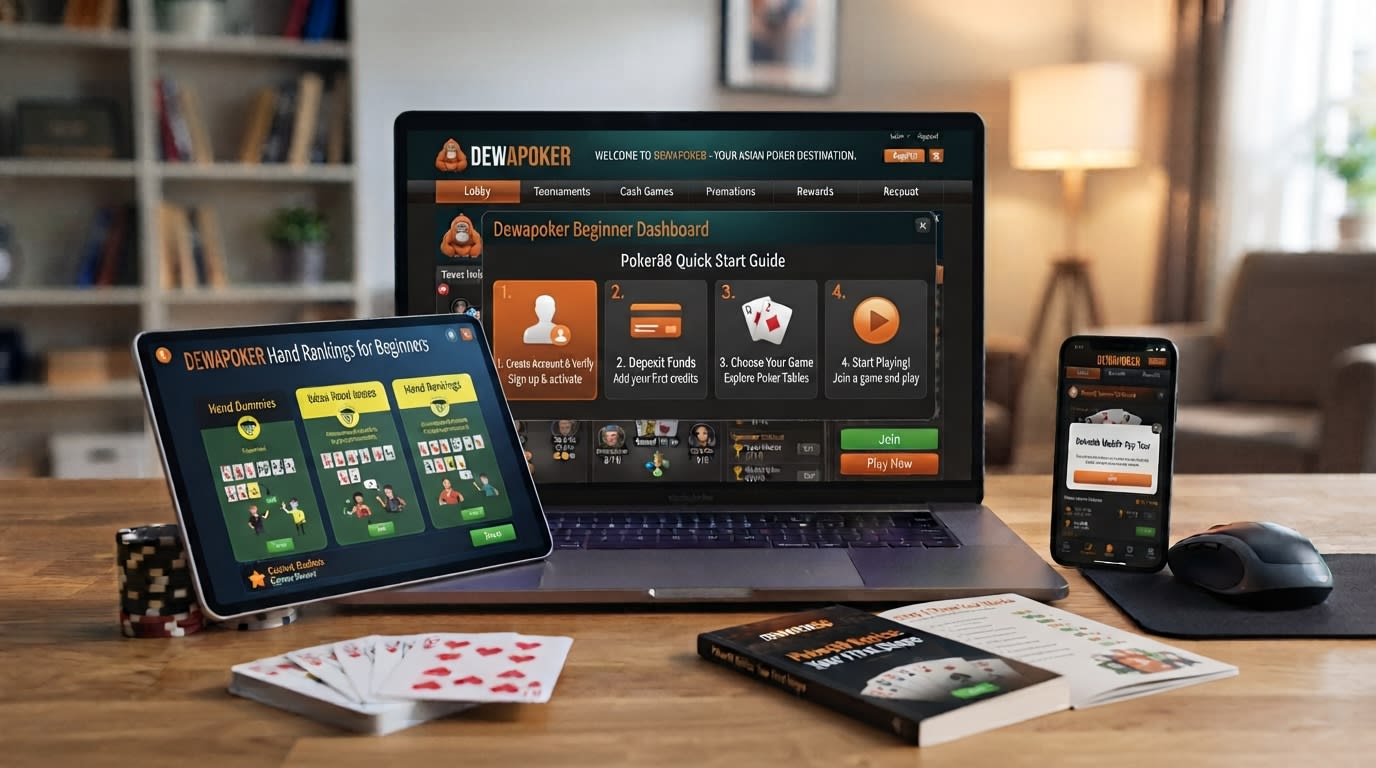
Online poker platforms have become a widely discussed form of digital entertainment. A name such as poker88 may appear in searches related to online poker, but before considering any platform, it is important to understand what online poker involves and what factors should be examined.
What Is Online Poker?
Online poker is a digital version of traditional poker, where players participate through an internet-based platform. Depending on the service, different poker formats, tables, tournaments, and game variations may be available. The basic rules generally follow familiar poker principles, although individual platforms can differ in their features and presentation.
For anyone learning about online poker, understanding the rules should come before considering any particular website. Poker combines probability, decision-making, and incomplete information, so the outcome of an individual hand cannot be guaranteed.
How Do Online Poker Platforms Work?
Most online poker services provide an account-based system through which users can access available games. Platforms may also offer information about game rules, account procedures, privacy practices, and applicable terms.
However, the exact experience varies from one service to another. Users should pay attention to important information such as age restrictions, licensing or regulatory status, privacy policies, fees, and the rules governing accounts and transactions.
Why Is It Important to Check the Rules?
A common question is: Why should someone read the terms before using an online platform?
The answer is simple: terms and conditions explain how the service operates. They may contain important information about eligibility, account restrictions, fees, withdrawals, disputes, and responsible-use policies. Reading this information can help people understand their rights and responsibilities before making any decisions.
Understanding the Role of Chance
Poker is sometimes described purely as a game of skill, but chance remains an important part of individual hands and short-term results. A player can make a sensible decision and still lose because the cards do not produce the expected result.
This is why poker should not be treated as a reliable way to earn money. Results can vary, and gambling can involve financial risks. People who are below the legal gambling age should not participate in gambling activities.
Online Safety and Privacy
Anyone researching an online poker service should also consider digital safety. Avoid sharing unnecessary personal information, use strong and unique passwords, and review the platform's privacy practices. It is also sensible to be cautious about unfamiliar websites, unsolicited messages, and requests for sensitive account information.
A legitimate-looking website is not, by itself, proof that a service is safe or appropriate. Independent information about regulation and consumer protections can be useful when evaluating an online service.
Responsible Decision-Making
Understanding poker also means recognizing its risks. Gambling should never be viewed as a guaranteed source of income or a solution to financial problems. People who are legally permitted to gamble should understand applicable limits and seek appropriate support if gambling begins to interfere with everyday life.
For younger readers, the safest approach is simply to learn about poker as a card game rather than participating in real-money gambling.
Final Thoughts
Learning how online poker platforms work involves more than understanding the rules of the cards. It also means considering probability, privacy, legal requirements, platform policies, and financial risks. Whether someone encounters Poker88 or another online poker brand while researching the subject, these basic considerations provide useful context for understanding the broader world of online poker.