Online poker has become a widely discussed form of digital entertainment, combining traditional card-game rules with internet-based platforms. For someone unfamiliar with the subject, understanding how online poker works, what different formats mean, and what risks are involved is more useful than focusing only on winning or losing.
At its core, poker is a card game in which players compete based on the strength of their hands and the decisions they make during each round. Different versions use different rules, but many popular formats involve players receiving private cards and combining them with shared cards to form the strongest possible hand. Unlike a simple game of chance, poker also involves strategy, probability, and reading the possible actions of other players. dewapoker
How Does Online Poker Work?
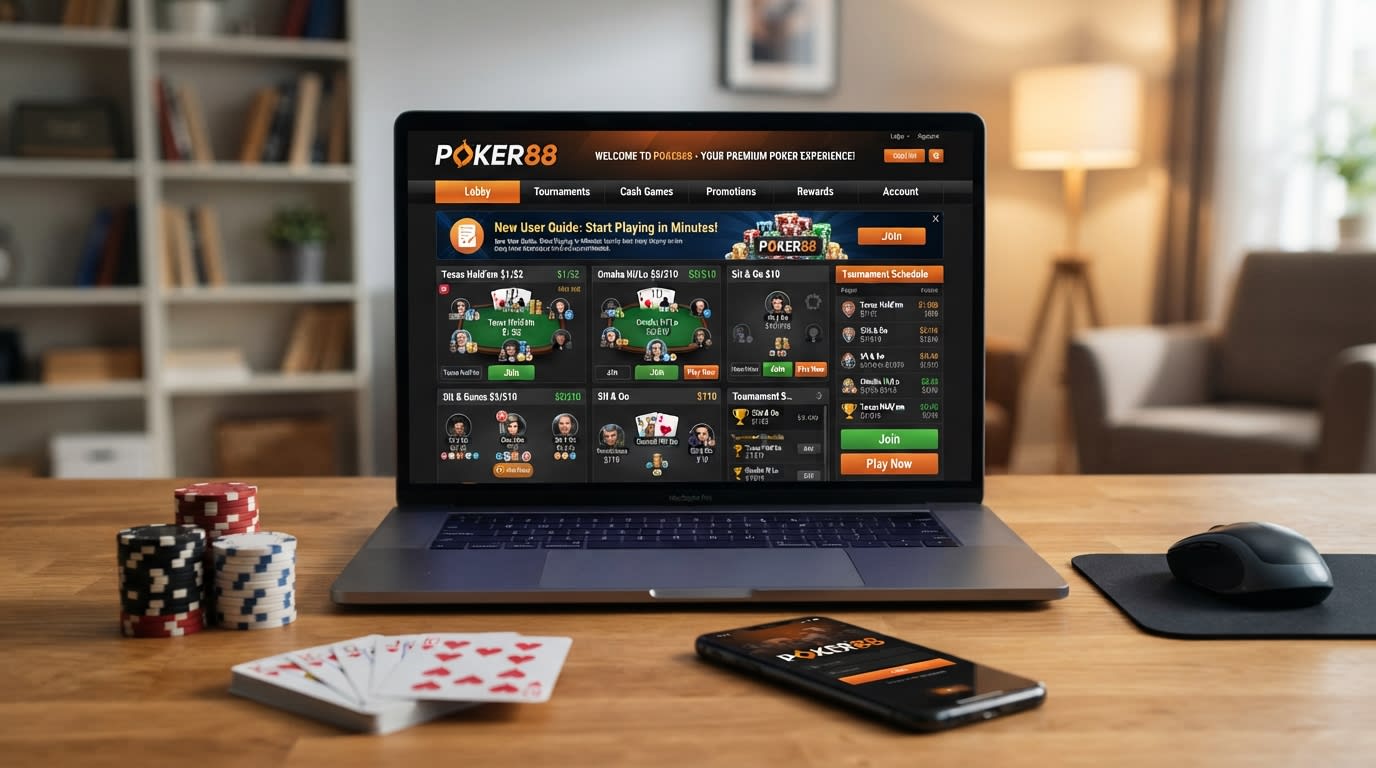
Online poker platforms generally recreate familiar poker games in a digital environment. Players can select from different tables or game formats, depending on what a particular service offers. Common variations include Texas Hold'em and Omaha, although rules and availability can differ between platforms.
A typical poker round includes several stages of betting. Players may choose to continue, increase the wager, or leave the round. The objective depends on the specific game, but players generally try to make the best hand or persuade other players to fold.
Understanding Poker Terminology
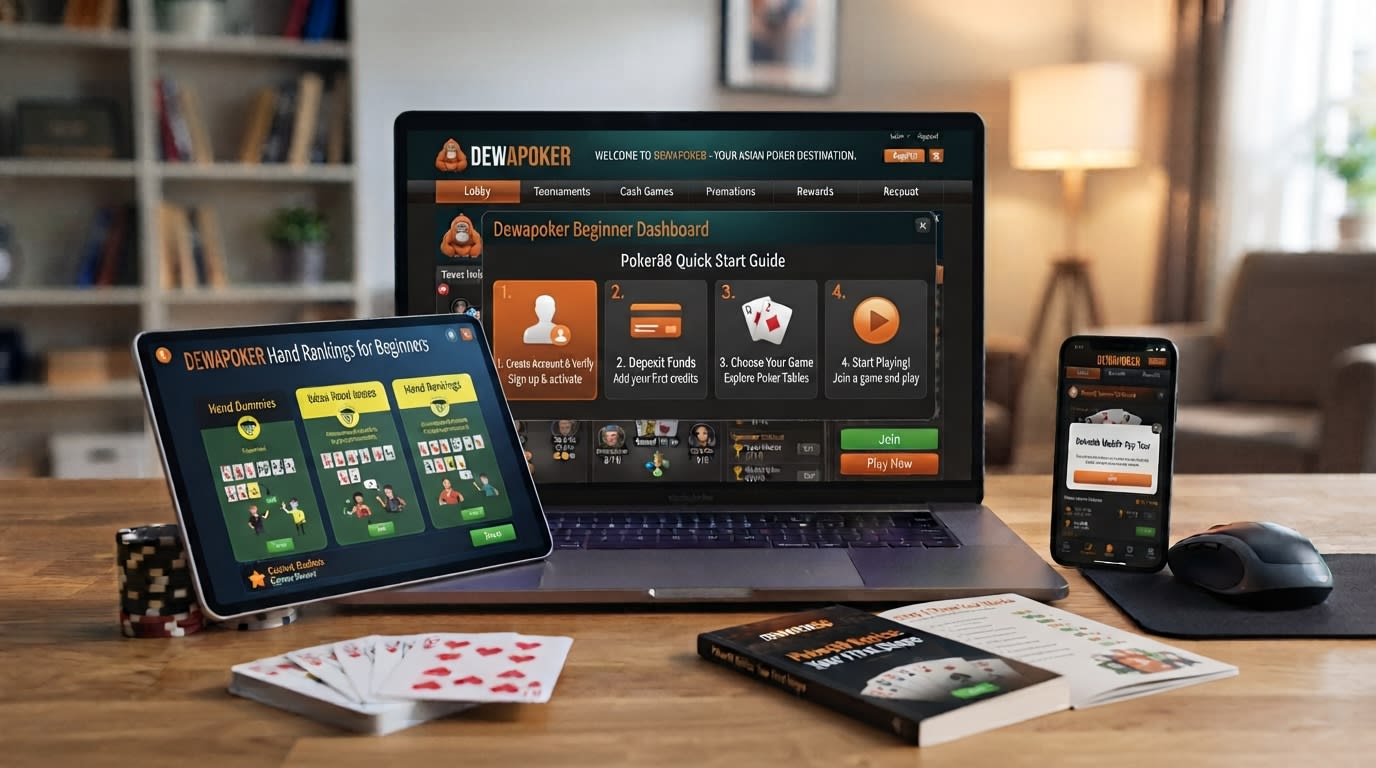
Learning basic terminology can make poker easier to understand. A hand refers to the cards held or used by a player, while a pot is the collection of wagers associated with a particular round. A fold means leaving the current hand, while a call means matching an existing wager. A raise increases the amount being wagered.
Understanding these terms does not guarantee success. Poker outcomes can still involve considerable uncertainty, and even experienced players cannot control every result.
Is Poker Purely a Game of Skill?
Poker contains elements of both skill and chance. Players can make decisions based on probability, position, previous actions, and knowledge of the rules, but the cards themselves are unpredictable. Over a limited number of hands, chance can have a substantial effect on the outcome.
This distinction is important because strategic knowledge should not be confused with a guarantee of profit. There is no reliable method that can eliminate the uncertainty associated with gambling.
Responsible Approach and Potential Risks
Online gambling can create financial and behavioral risks. Players may lose money, spend more time than intended, or feel pressure to recover previous losses. Trying to win back losses by continuing to gamble can lead to increasingly risky decisions.
For that reason, gambling should never be treated as a dependable way to earn income. People should also understand the laws and age restrictions that apply where they live.
For anyone under the legal gambling age, the appropriate choice is not to participate in real-money gambling. Younger readers can instead learn poker through its history, rules, probability, and strategy without using money or gambling services.
Final Thoughts
Understanding online poker involves more than learning card rankings. It requires an awareness of probability, decision-making, terminology, and the risks associated with real-money gambling. Approaching the subject as a game and learning how its mechanics work can provide useful knowledge, while recognizing the limits of skill and the potential for financial harm is equally important.