Blockchain transfers usually lack a consumer chargeback button. Finality is useful for understanding the limits of recovery after an erroneous transfer, especially when strangers advertise implausible reversal services. Know when the recipient must cooperate and what a provider can actually do.
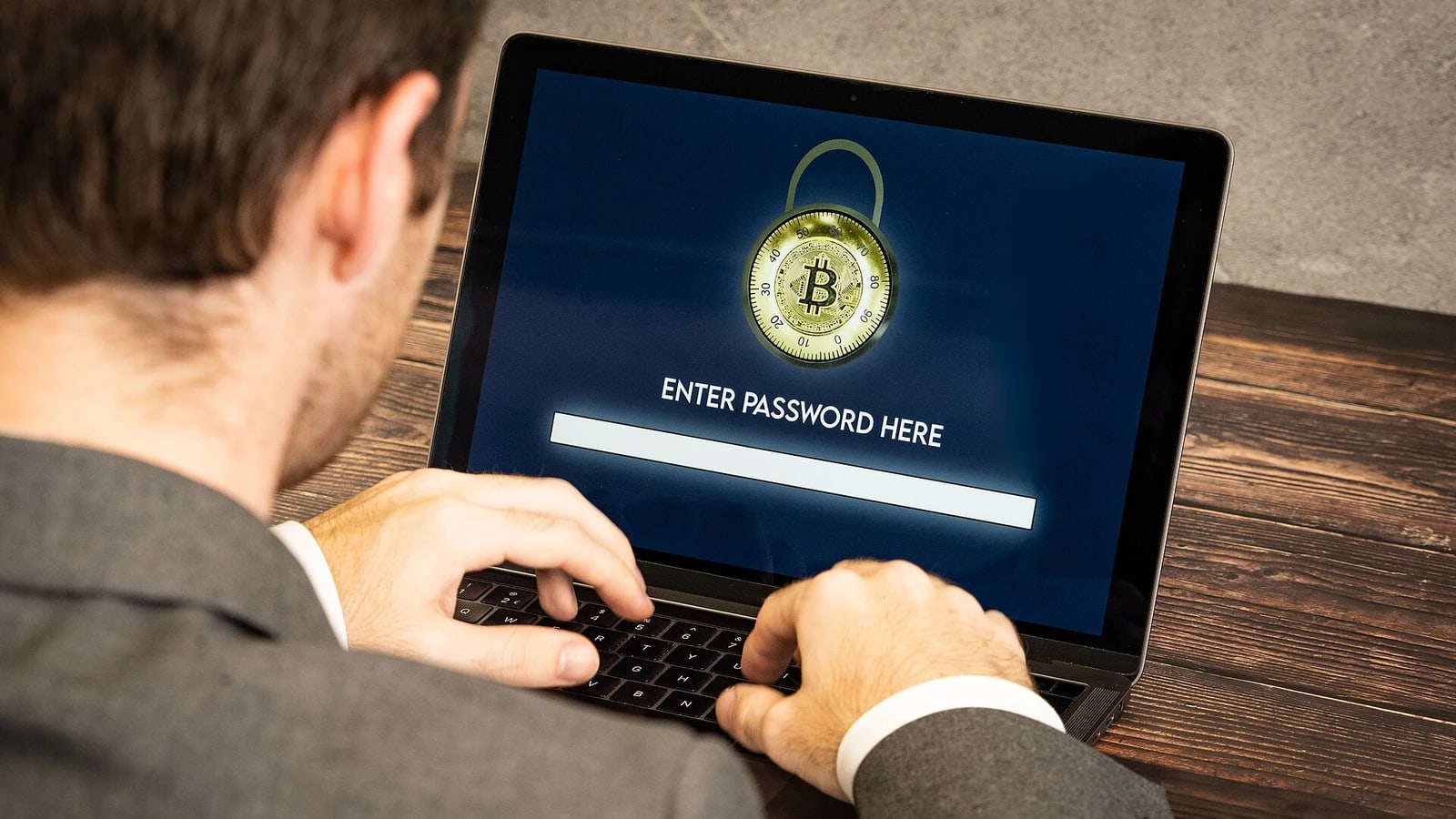
A photographed laptop with a cryptocurrency password prompt illustrates wallet access security.
The request to reverse a confirmed transfer
After sending USDT to the wrong address, a user searches for a 'reverse transaction' option. On a finalized blockchain transfer, there is normally no equivalent to asking a card issuer to undo the payment. Help may still be possible in special cases, but that depends on whether a receiving service controls the destination and agrees to assist.
Why a finalized chain entry is different
Final settlement is a design property of many blockchain networks. Once sufficient confirmations occur, the sender cannot simply rewrite the chain's ledger. A centralized recipient may be able to issue a separate return transfer if it controls the destination and can identify the original transaction. That is different from reversing the first transfer. Understanding the distinction changes how much verification belongs before the send button.
What a recovery request can realistically mean
Suppose a completed USDT transfer went to an address that the sender did not intend. The user searches for a 'reverse' command and encounters services offering guaranteed recovery after an advance payment. That promise confuses two different actions: undoing a finalized blockchain transfer and persuading a party that controls the recipient address to make a separate return payment. Many blockchain systems do not provide a general customer chargeback process. A support team may help in certain cases, but only when the relevant funds and accounts are within its capabilities.
The first evidence check is whether the transfer actually finalized. Use the correct explorer and inspect the hash, token amount, destination and confirmation state. If the destination is wrong, documenting the USDT transaction for support gives investigators a reproducible starting point without exposing wallet secrets. If the transaction was never broadcast or failed, the problem is different from sending to the wrong address. Next determine who controls the destination: an exchange, merchant, personal wallet or unknown party. If it belongs to an established service, use the service's authenticated support channel with the necessary transaction references. Avoid sending a recovery phrase, wallet backup or signing approval to anyone presenting themselves as a blockchain investigator.
Even a cooperative recipient does not technically erase the original transfer. A return normally creates a new on-chain movement with its own fee, destination checks and record. Ask how the service identifies the rightful sender before agreeing to an unfamiliar procedure. A payment to a scammer-controlled address may be unrecoverable, which makes prevention the real control. Review the wallet confirmation screen carefully and reject pressure to rush: network compatibility, address origin and final authorization deserve attention before the irreversible step.
What to verify after a mistaken payment
- Establish whether the transaction actually finalized by checking the correct chain and hash. A pending or failed broadcast is a different problem.
- Identify who controls the destination address. Do not assume a platform can recover assets from an address it does not manage.
- Contact an authenticated support channel with the transaction facts if the destination belongs to a service. Never disclose recovery phrases to a purported recovery agent.
- Treat any return as a new transaction requiring independent destination verification, applicable fees and its own receipt.
How fake recovery offers exploit urgency
Fake recovery services exploit urgency after a mistaken transfer. They may claim to possess a private method for reversing a chain, then request an advance payment or wallet signature. Do not authorize a second risky action simply because the first one was mistaken. Independent chain data should determine the problem's actual state.
Only an address controller may send funds back
Blockchain finality changes the prevention-to-recovery balance. It makes source checks, address verification and avoiding hurried second transfers more important than a promise that mistakes can always be undone.
Prevent the error before transfer
Blockchain finality makes preventive checks unusually valuable. In crypto betting deposits, validate the chain and destination before sending, and read the operator's support procedure rather than relying on broad claims about instant refunds.
For broader betting-site due diligence and payment questions, the independent reference at https://4xbetnet.com/. How to Check a P2P Payment Counterparty Before Sending Money.
#USDTSafety #ReversedSettlement #Verification